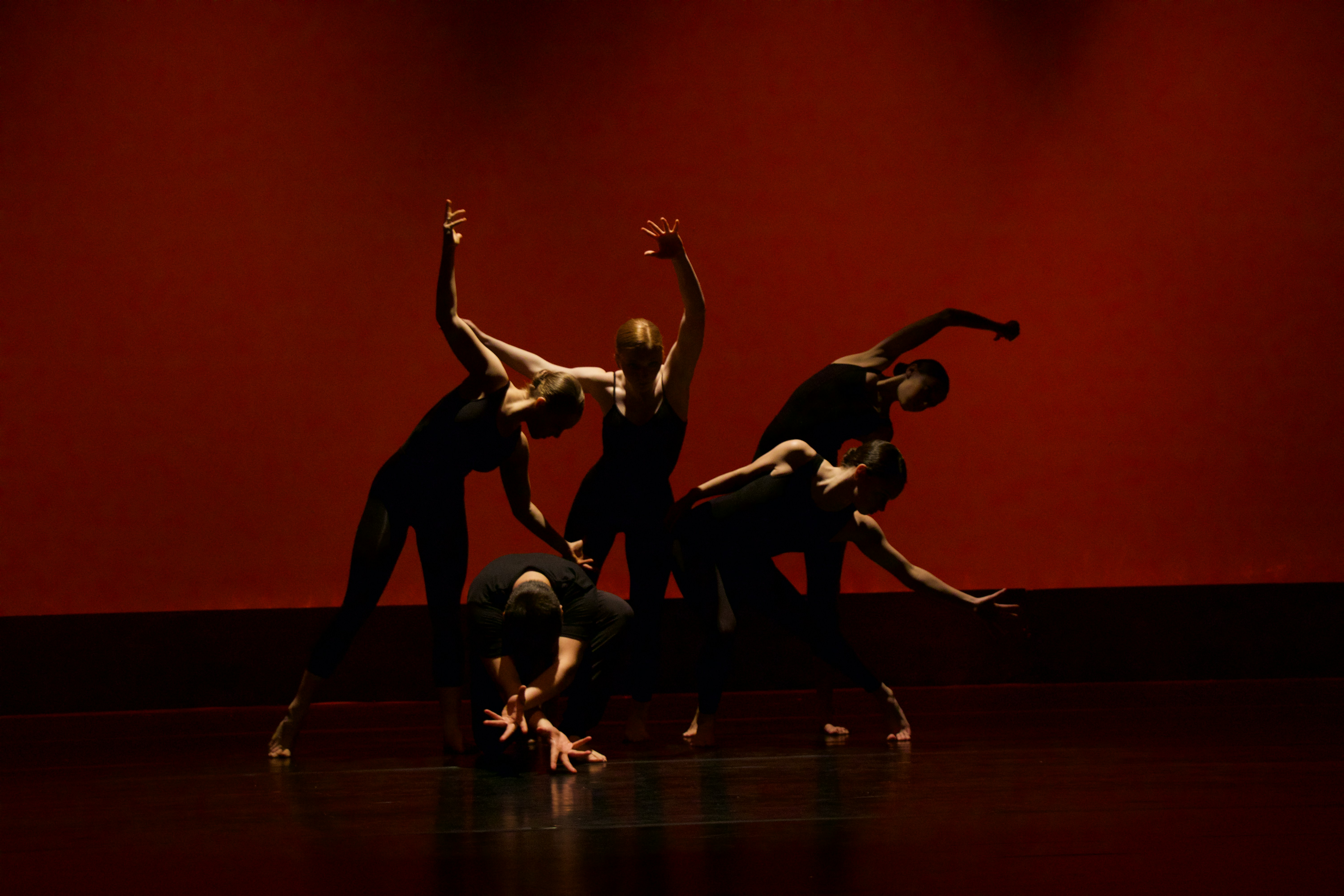
Costumes as Storytellers
A costume isn’t just clothing — it’s a silent partner in the performance. The way fabric flows, catches light, or restricts movement can change the mood of a piece entirely. Over the years, I’ve learned that costumes can speak just as loudly as choreography, adding an invisible layer of storytelling to every performance.
PUBLISHED DATE
CATEGORY
Creative Process

[
More Than Fabric
]
When What You Wear Shapes How You Move
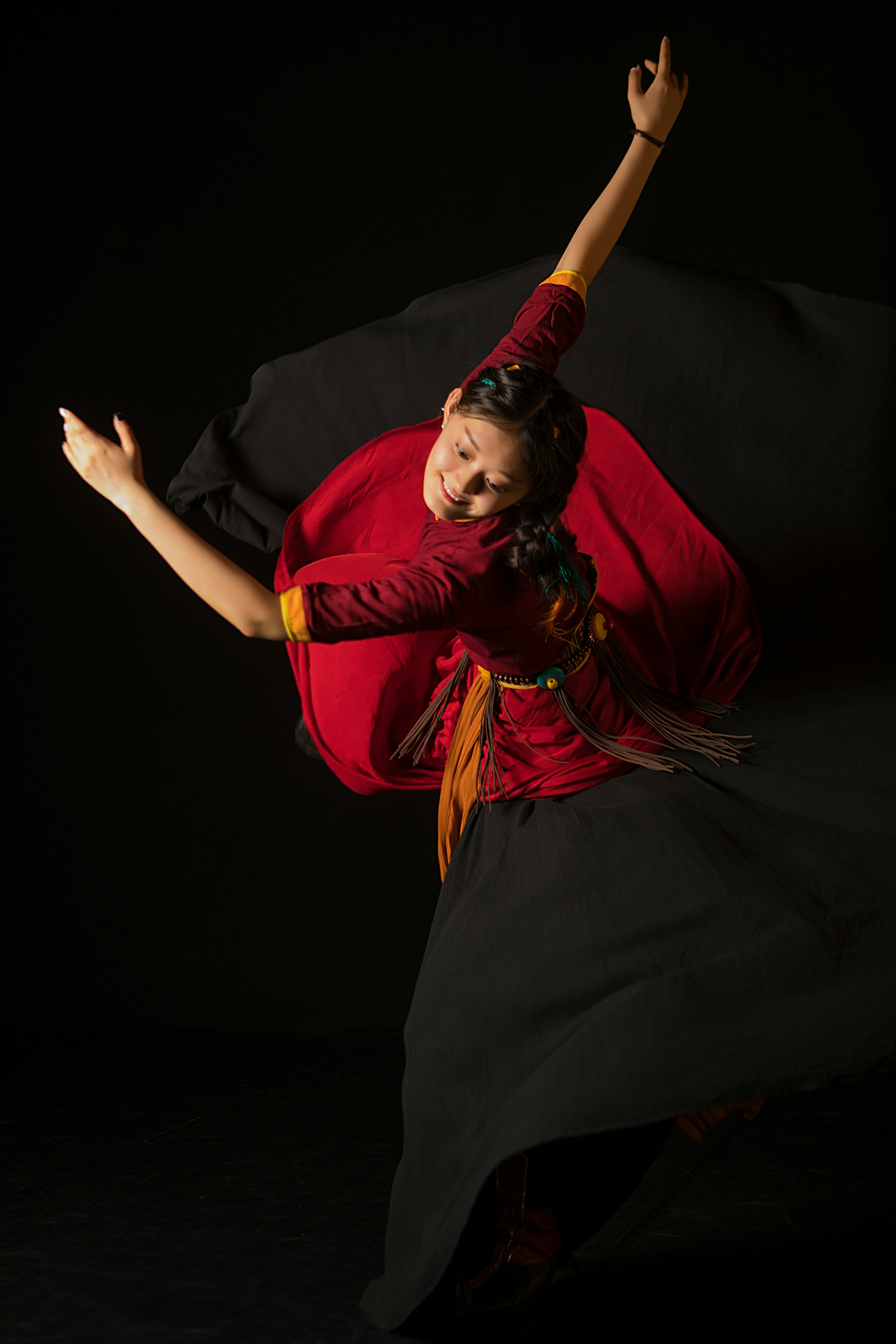
The moment I put on a costume, my relationship with movement changes. Weight, texture, and structure all influence how my body responds. A heavy garment can slow a phrase, asking for grounded movement, while light fabric invites expansion and fluidity. These physical sensations become part of the choreography, shaping decisions in ways that aren’t always conscious but are deeply felt.
Costumes don’t just decorate the body — they inform it. They affect posture, breath, and even intention. Over time, I’ve learned to listen to what a costume is asking of me, allowing it to guide the quality of my movement rather than working against it.

[
Visual Language
]
How Costumes Carry Meaning
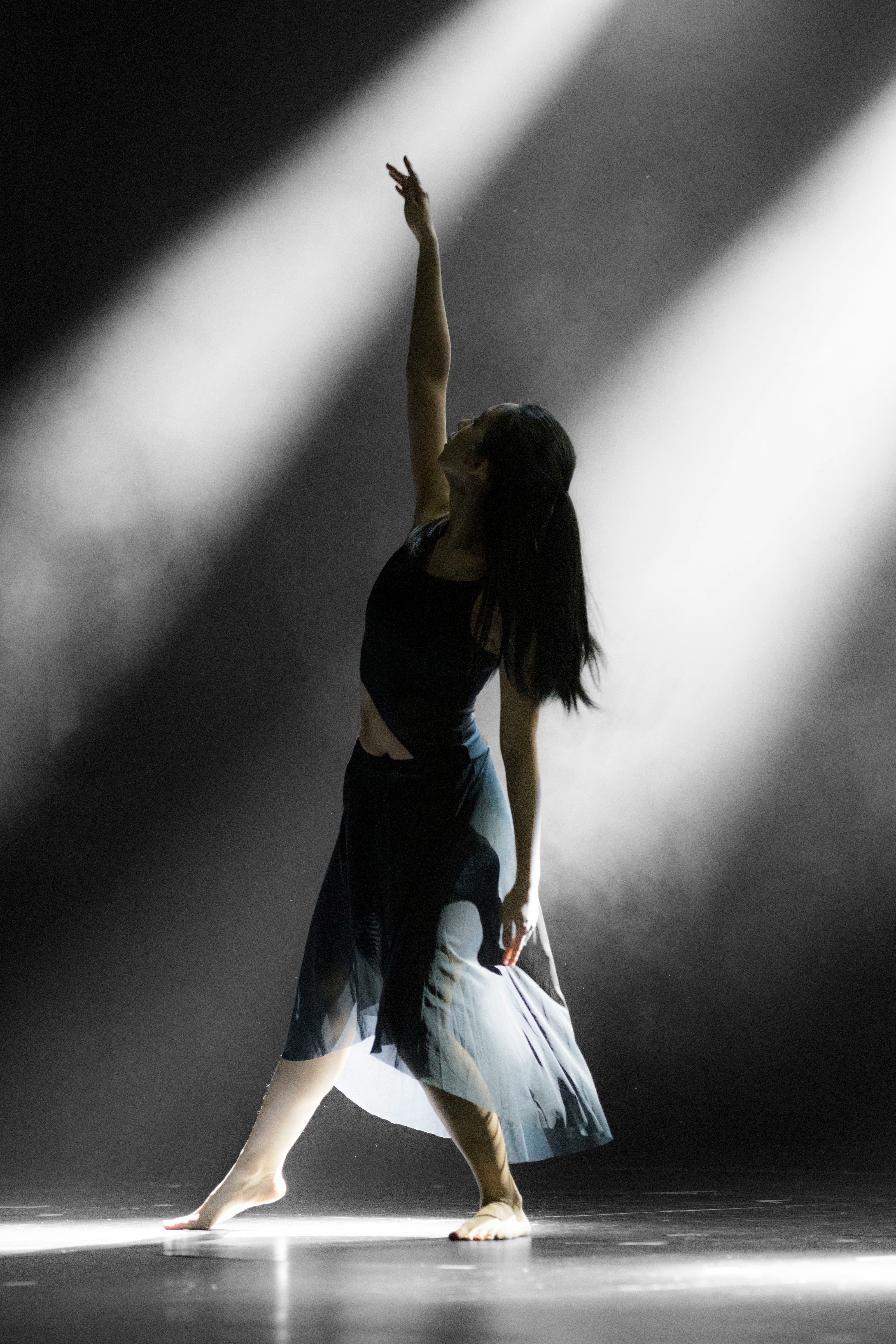
Color, texture, and silhouette communicate before a single step is taken. A costume can suggest vulnerability, strength, restraint, or freedom long before the choreography unfolds. On stage, these visual cues help the audience enter the world of the piece, offering context and emotional direction without a single word spoken.
In some works, the costume becomes a central narrative tool. Flowing fabric can echo emotional release, while rigid shapes can express tension or control. I’ve experienced performances where a simple change in costume shifted the entire reading of the piece, reminding me that storytelling in dance is as much visual as it is physical.

[
Collaboration in Detail
]
Designing Movement Together
Working closely with costume designers has taught me the value of collaboration at the smallest level. The best costumes are born from conversation — about the story, the space, the lighting, and the demands of the movement itself. Rehearsing in costume is essential; it’s where adjustments happen and where the final relationship between body and fabric is defined.
Some of my favorite performance moments emerged when I stopped treating the costume as an accessory and started treating it as a collaborator. When movement and design align, the result feels seamless — as if the story could only be told in that exact form. Costumes, when thoughtfully integrated, don’t just support the performance — they become part of its voice.

[
More Journals
]