Dancing for the Camera
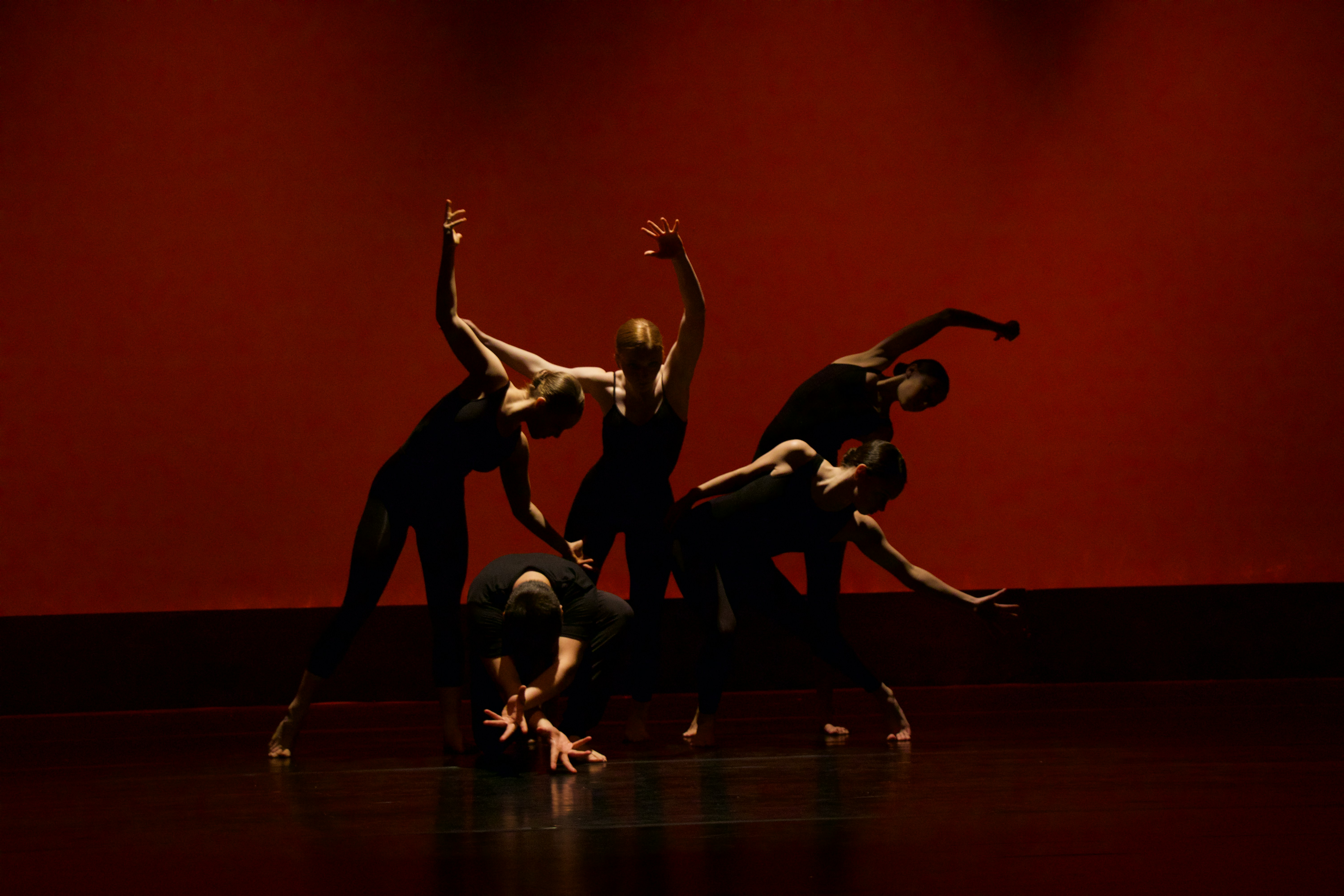
Dancing for a live audience and dancing for the lens share the same language — but they speak it with different dialects. On stage, movement is designed to project outward, reaching the last row of the theatre. On camera, the audience is as close as the frame allows, capturing details that a stage performance could never reveal. Adapting to this shift has reshaped the way I approach choreography, presence, and expression.
PUBLISHED DATE
CATEGORY
Dance Life

[
A New Perspective
]
The Camera as an Audience of One
The first time I danced for the camera, I had to unlearn instincts built for the stage. On stage, I project energy outward — extending movement so it travels through space and reaches the audience as a whole. The camera, however, collapses distance. It watches closely, noticing the smallest shifts in breath, the subtlest changes in expression.
In this setting, movement doesn’t need to be amplified — it needs to be intentional. A slight turn of the head or a pause in stillness can carry just as much meaning as a full-bodied phrase. Dancing for the camera taught me that intimacy can be powerful, and that presence doesn’t always come from size, but from clarity.

[
Rewriting Movement
]
Choreography Through the Lens
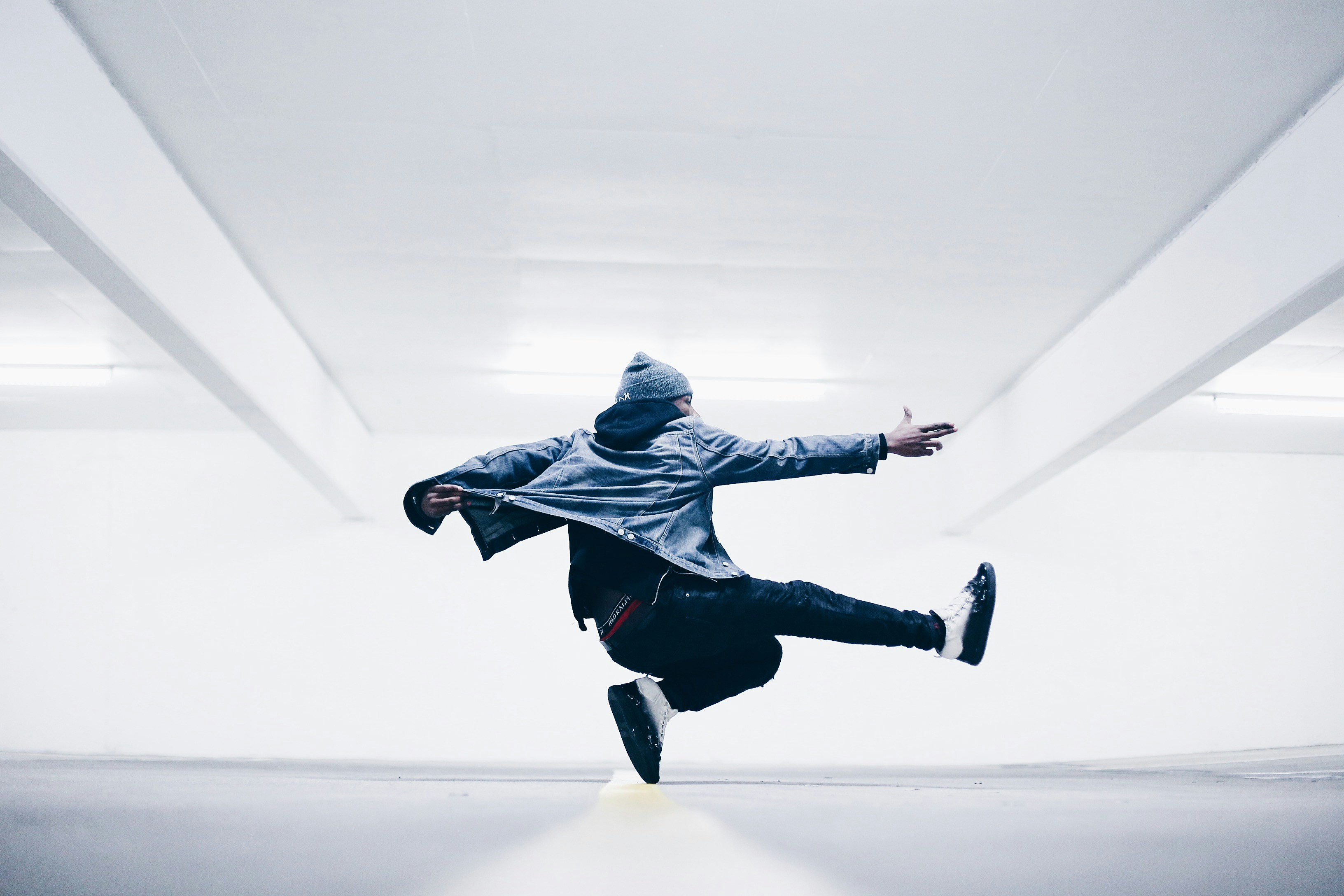
Choreographing for film requires a different awareness of space and timing. Movement is no longer experienced in one continuous arc — it’s shaped by framing, cuts, and camera motion. A phrase might be captured from multiple angles, or broken into fragments that are later stitched together in the edit.
This changes how I think about flow. Instead of asking how movement travels across a stage, I ask how it reads within a frame. I consider how close-ups alter emotional impact, how stillness feels when magnified, and how repetition translates on screen. The choreography becomes a collaboration with the camera itself, each responding to the other.
[
Intimacy in Motion
]
Letting the Small Moments Speak
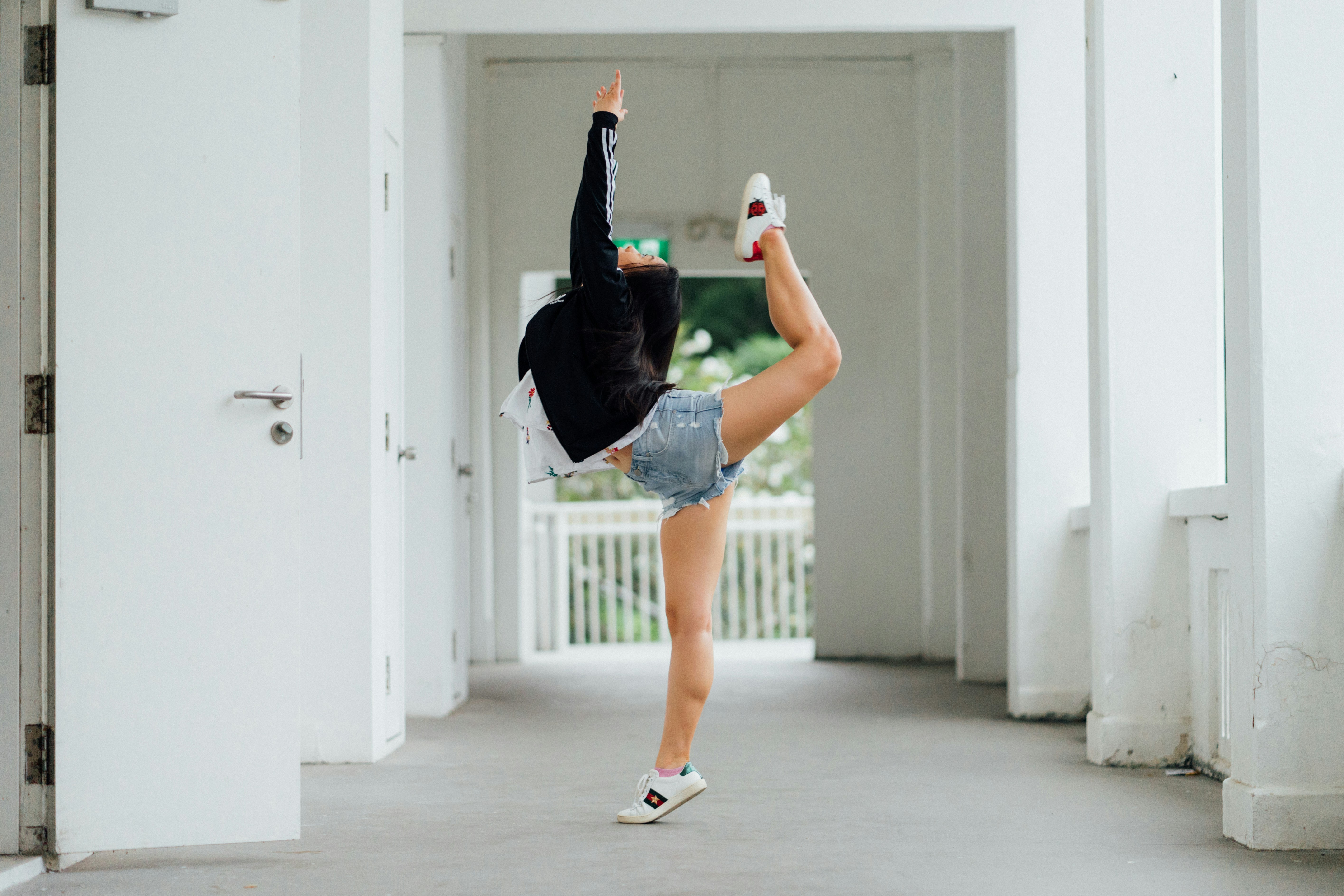
What draws me most to dancing for the camera is its intimacy. The lens captures what might be lost in a theatre — a breath held too long, a fleeting glance, the tension before release. These moments allow for a quieter kind of storytelling, one that invites the viewer closer rather than asking them to observe from a distance.
Dancing for film has deepened my relationship with stillness and restraint. It’s taught me that movement doesn’t always need to announce itself to be felt. Sometimes, the most powerful expression lives in what’s barely visible — and the camera, when used thoughtfully, knows exactly how to listen.


[
More Journals
]