The Art of Collaboration
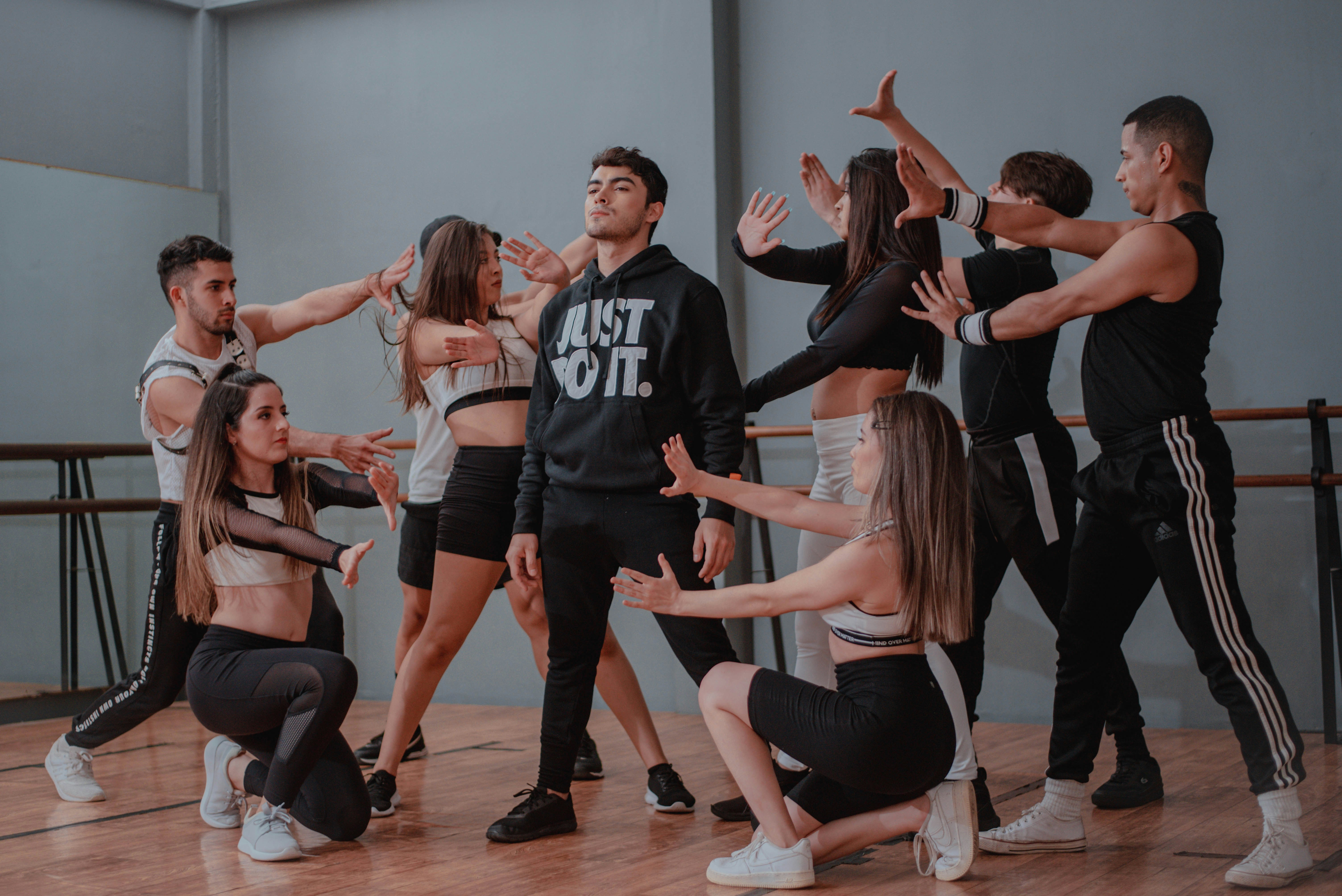
Dance may be a personal expression, but it thrives in connection. Some of the most transformative performances I’ve been part of were born in collaboration — with other dancers, choreographers, musicians, lighting designers, and even visual artists. Working together challenges you to step beyond your habits, embrace unpredictability, and discover layers in your work you might never have found alone.
PUBLISHED DATE
CATEGORY
Performance
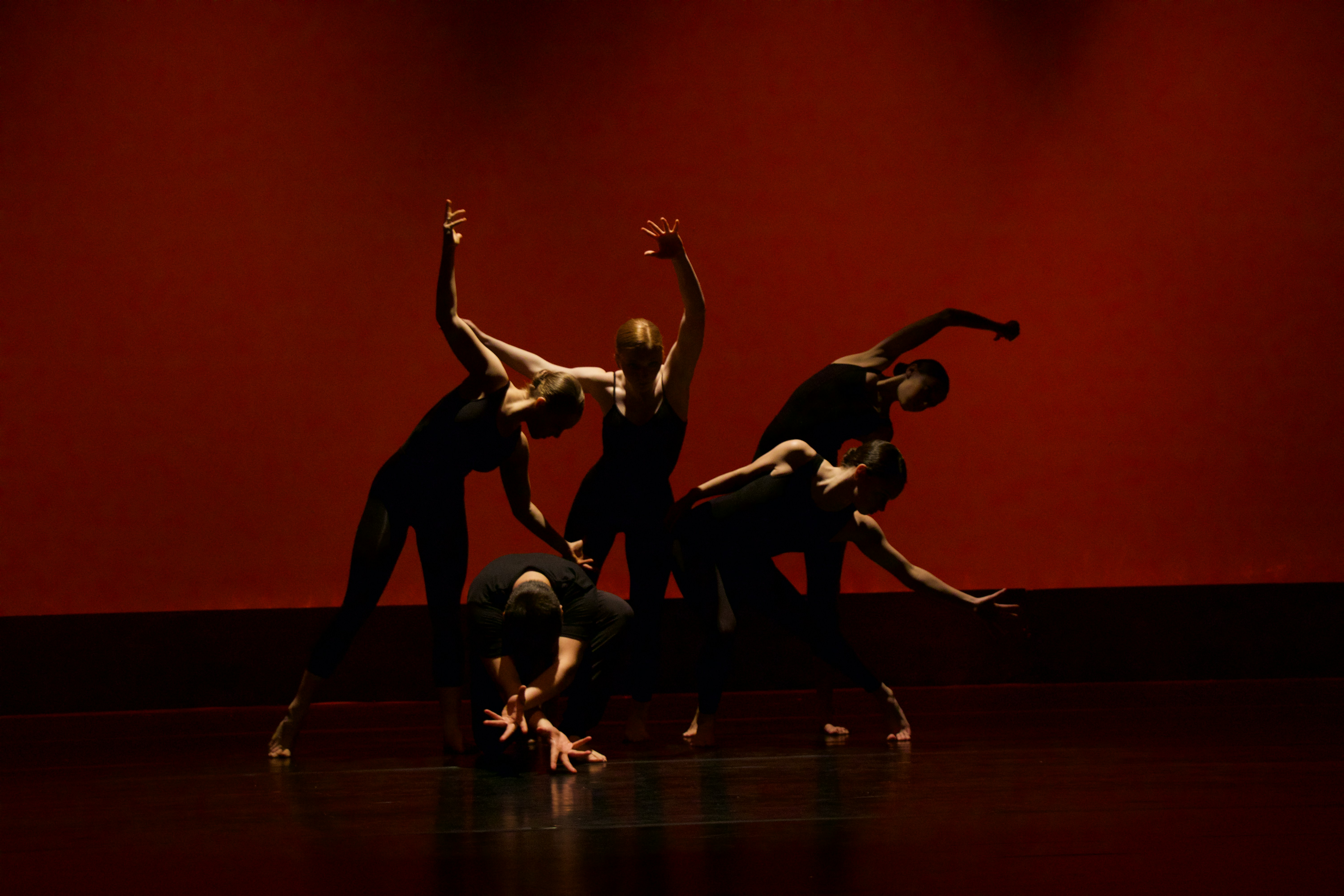
[
Shared Vision
]
Where Movement Becomes a Conversation
Collaboration begins long before the first rehearsal. It starts with listening — to ideas, intentions, and perspectives that differ from your own. In collaborative spaces, movement becomes a dialogue rather than a solo statement. Every artist brings their own language, and the work grows richer when those languages intersect.
I’ve learned that the most meaningful collaborations are built on trust. Trust allows you to offer ideas freely, receive feedback without defensiveness, and stay open when the work evolves in unexpected directions. When that trust exists, movement stops being about individual execution and becomes something collective — a shared rhythm shaped by many voices.
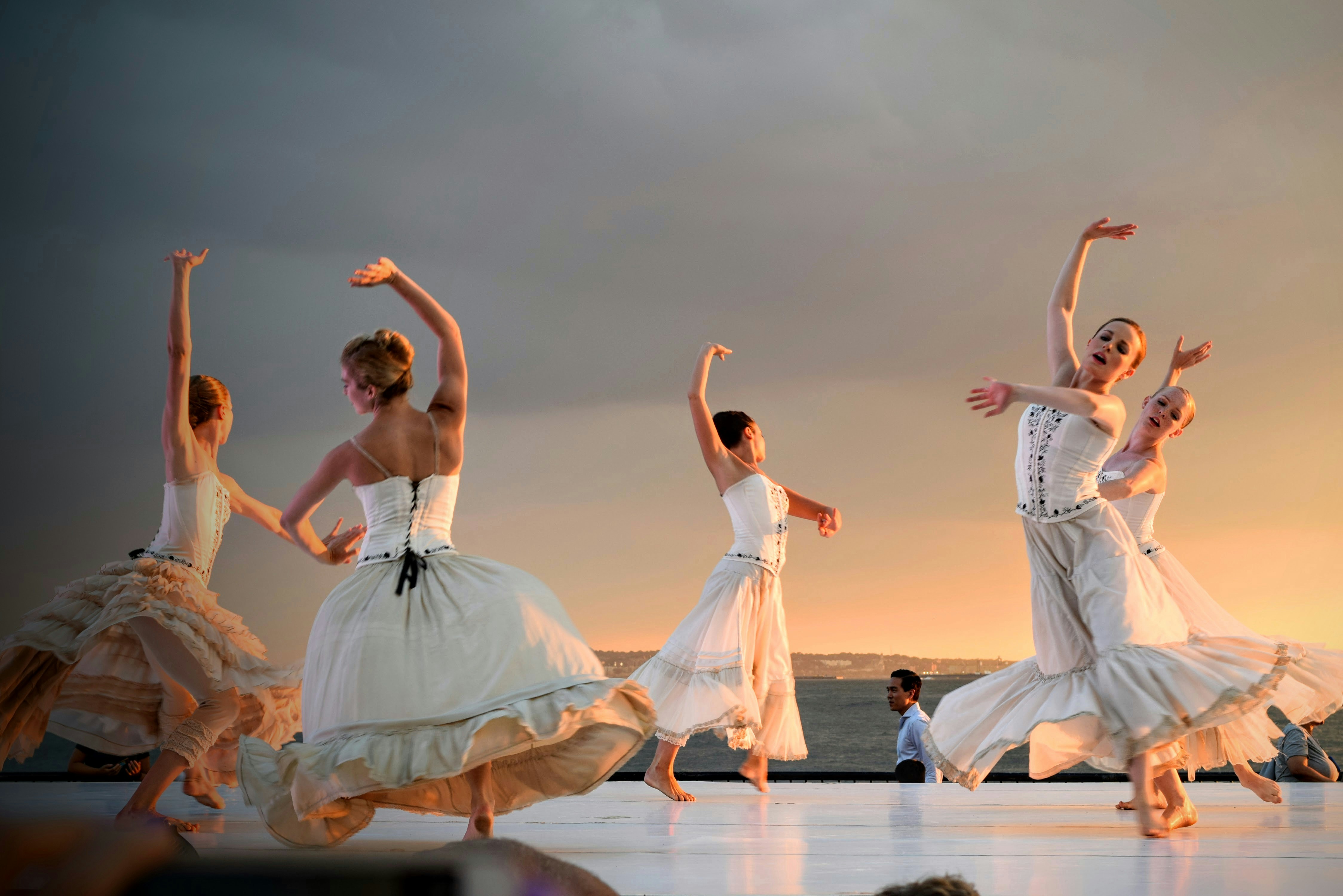
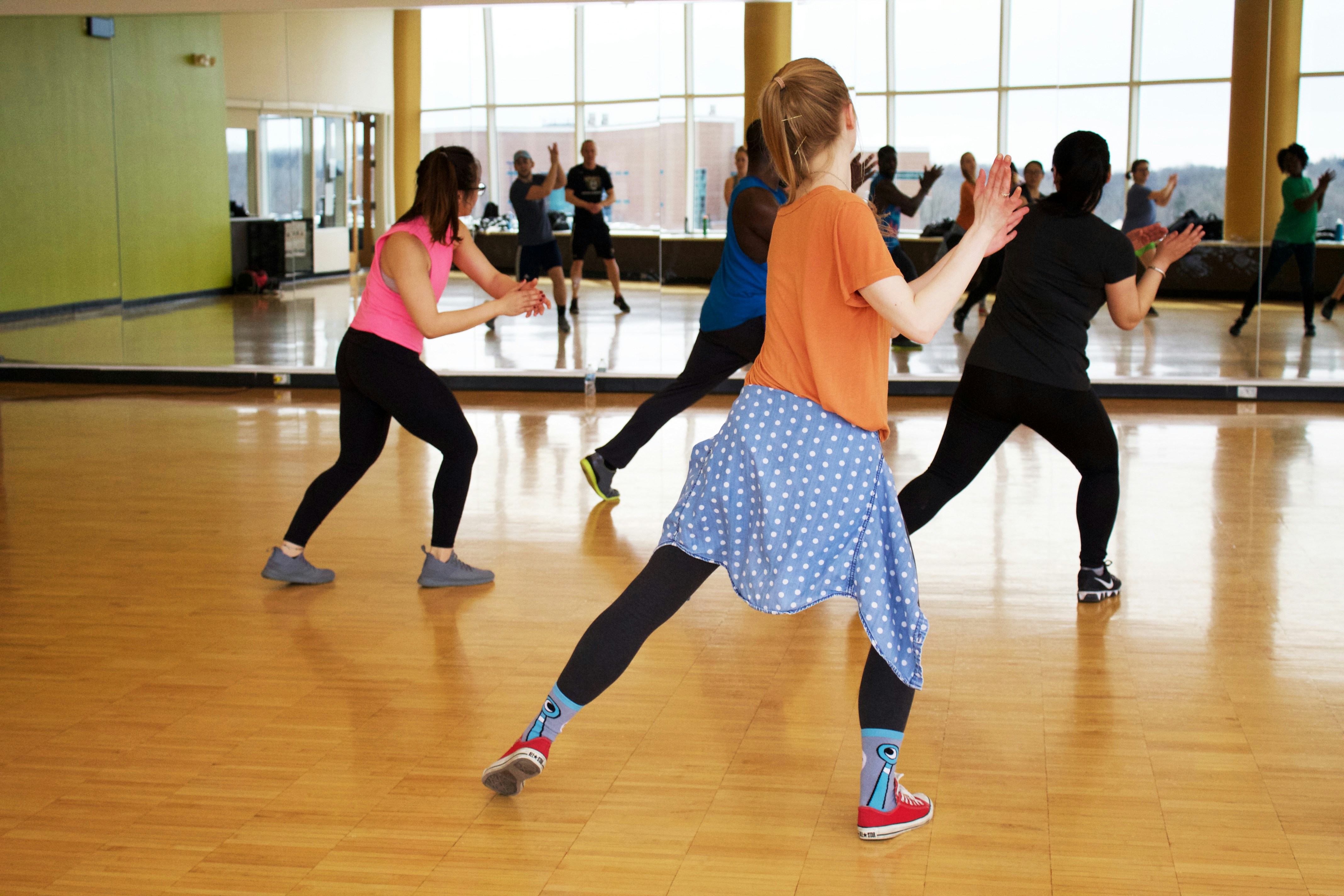
[
Creative Tension
]
Growth Lives Outside Comfort
Collaboration isn’t always seamless, and that’s part of its value. Creative differences, conflicting instincts, and moments of uncertainty often surface during the process. Instead of resisting these moments, I’ve learned to treat them as invitations — opportunities to stretch my understanding of movement and storytelling.
Some of my strongest work emerged from moments of friction: when a musician challenged my timing, when a lighting designer reframed the mood of a piece, or when another dancer’s interpretation shifted the emotional center of a scene. These moments push you to let go of control and trust the process, reminding you that growth often lives just beyond comfort.
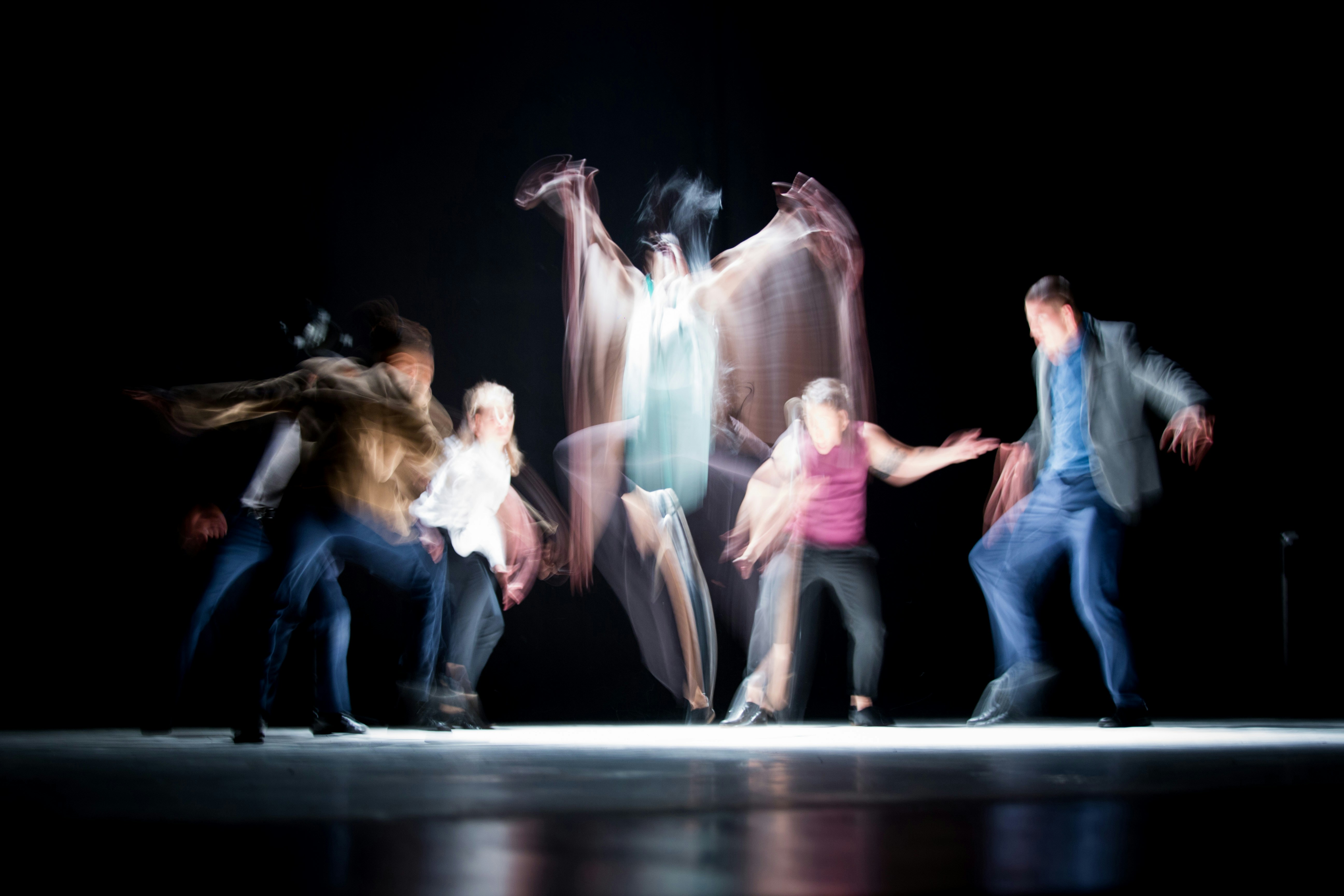
[
Collective Impact
]
Creating Something Bigger Than Yourself
What stays with me most after a collaboration isn’t just the final performance — it’s the shared journey. The long rehearsals, the problem-solving, the quiet breakthroughs that happen when everyone commits to the same vision. Collaboration teaches humility. It reminds you that your role, while important, is part of a larger whole.
When movement is shaped collectively, it carries a different weight. It reflects not just one experience, but many — layered, nuanced, and alive. These are the works that linger longest, both for the audience and for me as an artist. They reaffirm why collaboration isn’t just part of my process — it’s central to how I create, learn, and grow.
[
More Journals
]


