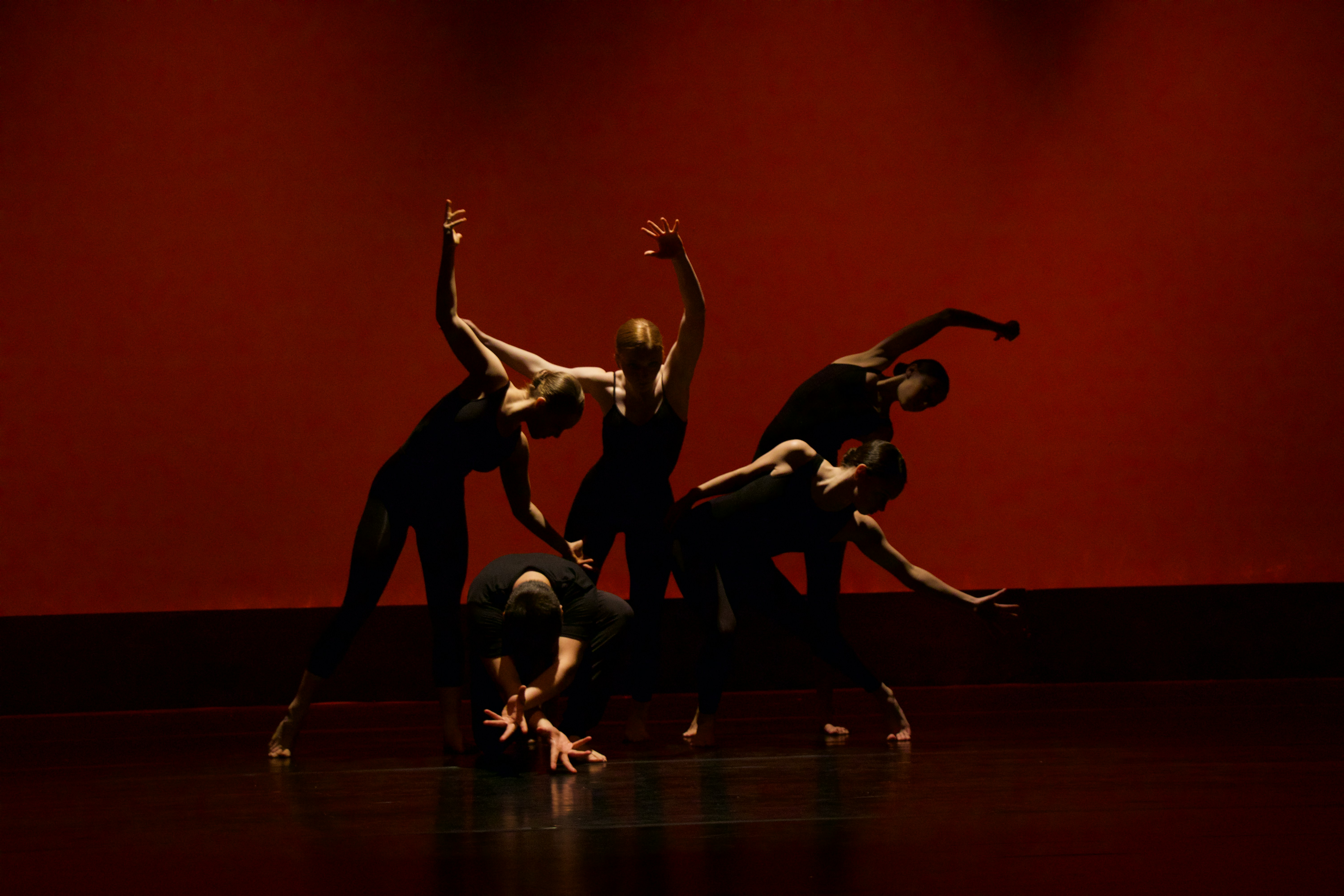
The Space Between Steps
Every dancer learns to value motion — but the spaces between those motions are where the soul of the performance often hides. Stillness, pauses, and moments of quiet are not interruptions to the dance — they are part of its heartbeat.
PUBLISHED DATE
CATEGORY
Choreography

[
Stillness
]
When Movement Stops, Meaning Emerges
In the early stages of my training, I equated movement with value. The more I moved, the more I felt I was communicating. Stillness felt risky — as if pausing might weaken the performance or disconnect the audience. Over time, I began to understand that stillness is not empty. It’s charged.
A held breath, a suspended gesture, a moment without motion can focus attention more sharply than constant activity. These pauses give the audience space to feel, to anticipate, and to interpret. In stillness, the body speaks in subtler ways, allowing meaning to surface without force.

[
Timing
]
The Power of Waiting
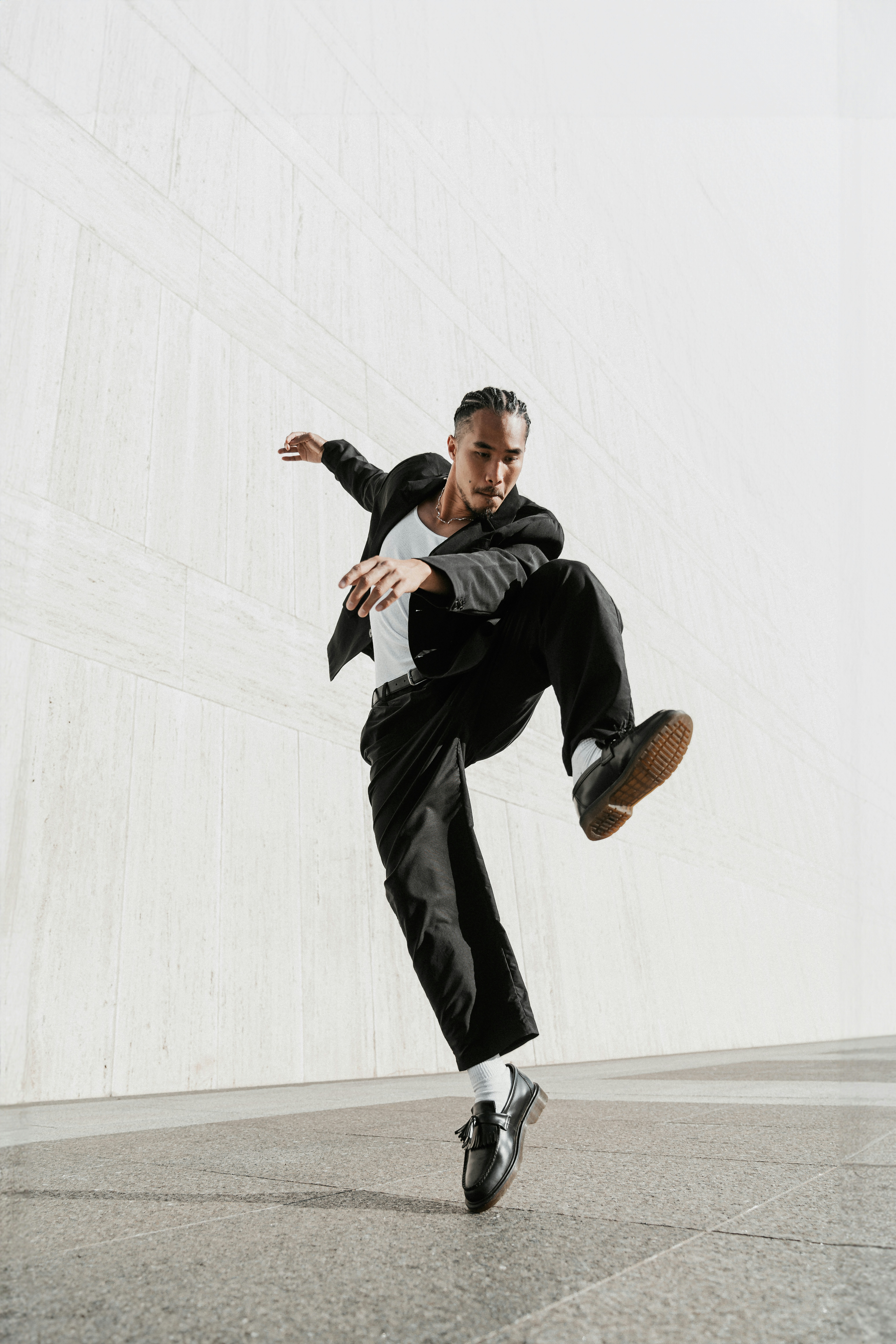
Pauses shape rhythm just as much as steps do. In dance, timing isn’t only about speed — it’s about knowing when not to move. Waiting creates tension. It stretches time and invites the viewer to lean in, unsure of what will come next.
Learning to trust these moments required restraint. It meant resisting the urge to fill every second with motion and instead listening closely to what the piece needed. When pauses are placed intentionally, they become anchors — moments that give the choreography structure and emotional clarity.

[
Resonance
]
Letting Movement Linger
The movements that stay with an audience are often the ones allowed to breathe. A phrase that ends in stillness lingers longer than one rushed into the next. The body needs time to settle, and so does the viewer.
By honoring the space between steps, I’ve learned to let movement resonate beyond its execution. These quiet moments carry emotion forward, allowing the performance to echo long after the final step. In that space, dance becomes more than motion — it becomes memory.

[
More Journals
]